Collective Impact & Collaboration
At Charting Careers, we know that no single organization can create lasting change alone. When youth, families, schools, nonprofits, businesses, faith communities, government agencies, and residents work together toward shared goals, we can create stronger systems of support and expand opportunities for all young people.
Through The Collaborative Supporting Youth (“The Collaborative”), Charting Careers serves as a connector and backbone organization—bringing partners together to strengthen relationships, align resources, elevate youth and family voices, and create community-driven solutions.
About “The Collaborative”
The Collaborative Supporting Youth is a cross-sector network working together to ensure children, youth, and families in Annapolis and Anne Arundel County have access to the relationships, resources, and opportunities they need to thrive.
Rooted in collective impact, The Collaborative focuses on shared goals, coordinated action, and long-term systems change. Partners work together to build on community strengths, reduce barriers, and create more connected pathways of support.
Our Shared Goal Areas
Through The Collaborative, partners work together around shared priorities that strengthen protective factors, expand opportunity, and create conditions where youth, families, and communities can thrive.
🌱 1) Increasing Youth Wellness, Leadership & Prevention

Goal: Young people are healthy, connected, supported, and empowered to create positive change.
Together, we strengthen protective factors, promote wellness and prevention, expand opportunities, and elevate youth leadership.
Through The Collaborative, we are building a youth-led, adult-guided movement where young people are partners in creating solutions for themselves and their communities. The Community Youth Coalition (CYC) serves as the youth leadership arm of this work, creating opportunities for young people to build leadership skills, share their perspectives, and help shape community change.
This work is strengthened through support from the Drug-Free Communities (DFC) Support Program, tobacco prevention funding through the Anne Arundel County Department of Health, and the Take Back Your 10 (TB10) initiative supported by the Maryland Department of Health.
Focus Areas:
Youth connection, belonging, and positive relationships
Prevention, wellness, and healthy decision-making
Youth substance use prevention through protective factors and positive youth development
Youth voice, leadership, and civic engagement
Access to meaningful opportunities and experiences
💻 2) Increasing Digital Opportunity
Goal: Individuals and families have the technology, skills, and confidence needed to fully participate in school, work, and community life.
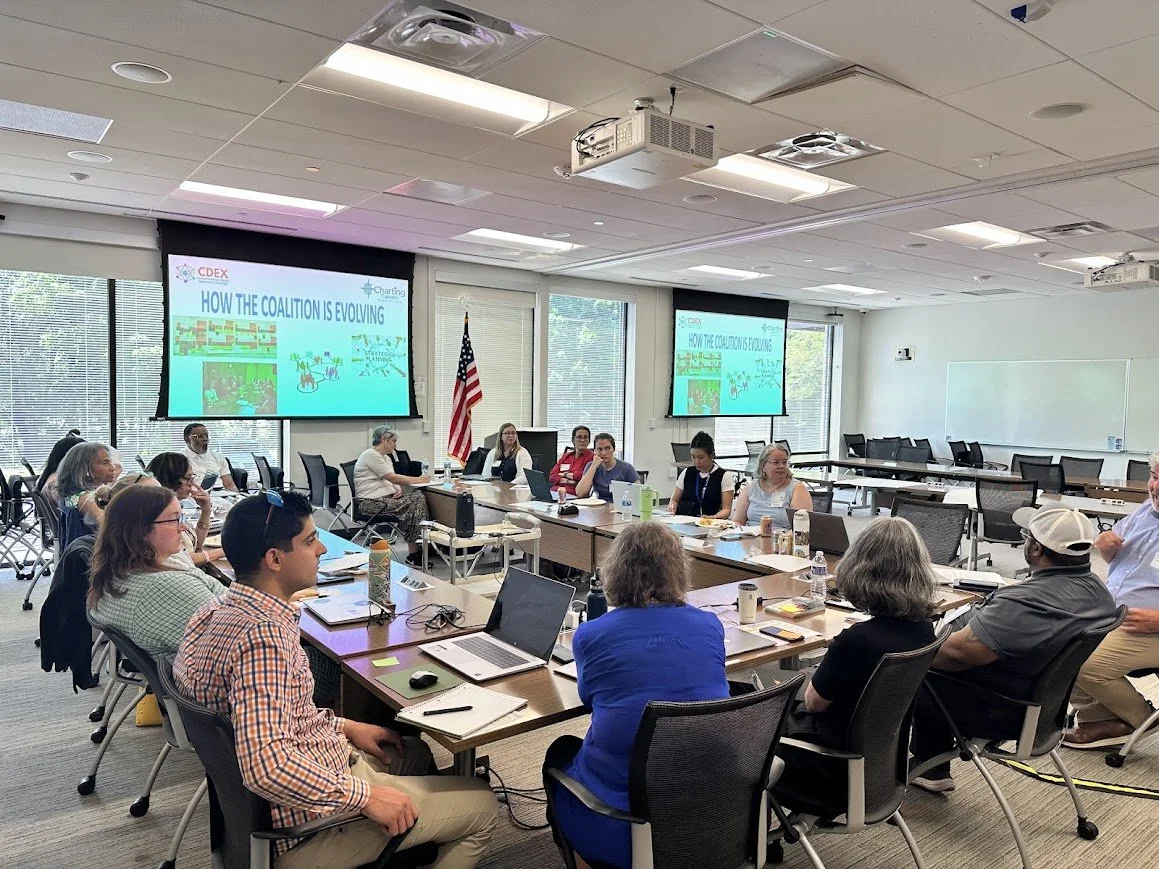
Together, we increase digital access, strengthen digital skills, and build pathways to opportunity through the Central Maryland Digital Opportunity Exchange (CDEX).
With support from the Maryland Office of Statewide Broadband, CDEX brings partners together across Central Maryland to coordinate resources, strengthen digital navigation efforts, and expand opportunities for individuals and families to access technology, skills, and support.
Focus Areas:
Access to technology and connectivity
Digital skills and confidence
Career pathways connected to technology and innovation
Regional coordination to advance digital opportunity
🏘️ Strengthen Connected Communities
Goal: Neighborhoods and communities have strong relationships, coordinated resources, and systems that help children and families thrive.
Together, residents, organizations, and partners build on community strengths, align efforts, and create sustainable community-driven solutions.
This work aligns with and supports broader community efforts, including the Partnership for Children, Youth and Families’ Communities of Hope initiative. With support through an ENOUGH subgrant from the Partnership, Charting Careers works alongside residents and partners to strengthen neighborhood connections, expand opportunities, and improve outcomes for children, youth, and families.
Focus Areas:
Strong partnerships and resource coordination
Youth, family, and resident voice in decision-making
Neighborhood-based supports and opportunities
Systems changes that reduce barriers and improve outcomes